Regulators
Regulators and Standard Practices
Adhering to standard practices in the oil and gas industry is essential for maintaining safety, enhancing efficiency, and protecting the environment. Below is an overview of key standards, regulatory bodies, and our collaborative relationships with industry associations and professional organisations.
OPEC
Overview of OPEC
The Organisation of the Petroleum Exporting Countries (OPEC) is a powerful intergovernmental organisation consisting of 13 oil-producing nations, primarily from the Middle East, Africa, and South America. Established in 1960, OPEC’s primary objective is to coordinate and unify the petroleum policies of its member countries, ensuring the stabilisation of oil markets to secure a steady income for producers and a reliable supply to consumers.
Roles and Responsibilities OPEC’s core responsibilities include: Oil Production Regulation: OPEC sets production targets for its member countries to manage the supply of oil in the global market. By adjusting output levels, OPEC aims to balance supply and demand, thereby influencing global oil prices. Market Stabilisation: OPEC plays a crucial role in stabilising the global oil market by preventing extreme fluctuations in oil prices. This is achieved through coordinated production adjustments among member countries in response to market conditions. Policy Coordination: OPEC fosters cooperation among member states, aligning their petroleum policies to ensure collective benefits. This includes agreements on production quotas and pricing strategies. Engagement with Non-OPEC Producers: OPEC often collaborates with non-OPEC oil-producing countries through initiatives like OPEC+, where joint efforts are made to influence global oil production and prices. Impact and Influence OPEC’s influence on the oil and gas industry is significant due to its control over a substantial portion of the world’s oil reserves. Key impacts include: Price Control: OPEC’s decisions on oil production levels directly affect global oil prices. By increasing or decreasing production, OPEC can influence market prices, which in turn affects the global economy, energy costs, and inflation. Market Dynamics: OPEC’s policies can shift the dynamics of global energy markets. For instance, production cuts can lead to higher prices, encouraging investment in alternative energy sources, while increased production can lower prices, affecting the profitability of non-OPEC producers. Geopolitical Influence: OPEC’s decisions are often influenced by geopolitical factors, making it a significant player in global politics.
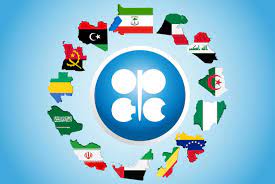
The organisation’s ability to impact global energy security gives its member countries substantial geopolitical leverage. Economic Impact: OPEC’s actions have far-reaching economic implications, particularly for oil-dependent economies. Changes in oil prices can influence everything from national budgets to global trade balances. OPEC remains a central figure in the global oil and gas industry, with its decisions shaping the direction of energy markets worldwide. Through its roles and responsibilities, OPEC continues to exert considerable influence on global oil prices, market stability, and geopolitical relations, making it a critical entity in the energy landscape. Other Industry Regulators: There are several other significant regulatory bodies and organizations in the oil and gas industry apart from OPEC. These organizations play critical roles in shaping industry standards, ensuring compliance, and promoting safety, environmental protection, and market stability.
Here are some of the key regulatory bodies: International Energy Agency (IEA) Established in 1974, the IEA is an autonomous agency within the OECD framework. It works to ensure reliable, affordable, and clean energy for its member countries and beyond. The IEA monitors global energy markets, offers policy recommendations, and provides a platform for energy cooperation among its members. Impact: The IEA influences global energy policies through its comprehensive data collection, analysis, and policy advice. It also plays a crucial role in coordinating emergency response measures to disruptions in oil supply.
Environmental Protection Agency (EPA) The EPA, primarily in the United States, is responsible for regulating the environmental impacts of industries, including the oil and gas sector. The agency sets and enforces regulations to control emissions, manage waste, and protect water resources from contamination. Impact: The EPA’s regulations have a significant impact on how oil and gas companies operate, pushing the industry towards cleaner, more sustainable practices. Its policies influence not only the U.S. market but also have a ripple effect globally as companies aim to meet international environmental standards.
International Maritime Organisation (IMO) The IMO is a specialised agency of the United Nations responsible for regulating shipping, including the transportation of oil and gas by sea. It sets standards for the safety, security, and environmental performance of international shipping. Impact: The IMO’s regulations, such as the MARPOL Convention, have a significant impact on reducing the environmental impact of the oil and gas industry, particularly in relation to oil spills, ship emissions, and pollution control. The IMO’s influence extends globally, affecting shipping practices in all oil-producing and consuming countries. National Oil Companies (NOCs) NOCs like Saudi Aramco (Saudi Arabia), Gazprom (Russia), and Petrobras (Brazil) operate within their respective countries and often have regulatory authority over their national oil and gas sectors.
These companies manage exploration, production, and sometimes distribution of oil and gas resources on behalf of the government. Impact: NOCs play a dual role as both regulators and operators, directly influencing the development and execution of national energy policies. Their decisions can significantly impact global oil supply and prices, especially in countries where they control substantial reserves.
Organisation for Economic Cooperation and Development (OECD) While not specific to oil and gas, the OECD provides a platform for governments to collaborate on economic policies, including those related to energy. The OECD promotes policies that improve the economic and social well-being of people around the world.Impact: The OECD influences energy policies through its research, data analysis, and policy recommendations. Its work often supports sustainable energy development and market transparency, influencing both governmental policies and corporate strategies in the oil and gas industry.
Energy Information Administration (EIA) Role: The EIA is a part of the U.S. Department of Energy and provides independent statistics and analysis on energy production, consumption, and trends. It offers critical insights into energy markets, including oil and gas. Impact: The EIA’s data and forecasts are widely used by policymakers, industry stakeholders, and analysts globally. Its reports on oil and gas production, prices, and consumption trends help shape market expectations and policy decisions.
The API is a trade association that represents the oil and gas industry in the United States. It develops industry standards for engineering, safety, and environmental protection and advocates for the industry’s interests. Impact: API standards are widely adopted not just in the U.S. but internationally, influencing global industry practices. API also plays a significant role in shaping regulatory policies through its lobbying efforts and industry guidelines. American National Standards Institute (ANSI): ANSI is a nonprofit organisation that oversees the development of voluntary consensus standards for various industries, including oil and gas. ANSI standards often serve as the basis for regulatory requirements and industry best practices. ANSI collaborates with organisations like API to develop and maintain standards relevant to the oil and gas sector. European Union (EU) Regulatory Bodies The EU, through its various agencies like the European Commission and the European Environment Agency, sets regulations that impact the oil and gas industry within its member states. These regulations cover environmental protection, market competition, and energy security. Impact: EU regulations often set benchmarks for environmental and safety standards that have global implications. The EU’s push towards renewable energy and stringent emissions regulations are driving significant changes in the global oil and gas market.
International Organisation for Standardisation (ISO) ISO develops and publishes international standards, including those related to the oil and gas industry. These standards cover a wide range of topics, from quality management systems to environmental management and safety practices. Impact: ISO standards are globally recognized and adopted by companies to ensure quality, safety, and efficiency in their operations. Compliance with ISO standards is often a requirement in international contracts and tenders, making them crucial for global trade in oil and gas. National and Regional Regulatory Bodies Numerous national and regional bodies regulate the oil and gas industry within their jurisdictions. Examples include the Nigeria National Petroleum Corporation (NNPC), the Canadian
Energy Regulator (CER), and the National Energy Commission (NEC) in various countries. Impact: These bodies enforce local regulations, oversee licensing, ensure compliance with environmental and safety standards, and manage national oil and gas resources. Their policies directly impact the operations of companies within their regions, influencing both local and global markets. These regulatory bodies, alongside OPEC, play essential roles in shaping the oil and gas industry’s landscape, ensuring compliance with standards, promoting safety, and influencing market stability. Their decisions and policies have far-reaching implications, affecting everything from daily operations to long-term strategic planning within the industry.
Oil and Gas Regulations
Oil and gas regulations cover various aspects of the industry, including licensing and permitting, safety standards, environmental protection, taxation, land use, and community engagement.
Regulations are typically enacted at the national, state/provincial, and local levels, with specific requirements varying depending on the jurisdiction and the nature of oil and gas activities.
Regulatory Bodies
Regulatory bodies are government agencies or authorities responsible for overseeing compliance with oil and gas regulations and enforcing applicable laws. These bodies may operate at the national, regional, or local level, depending on the legal framework and administrative structure of each country.
Other Roles and Responsibilities of Regulatory Bodies
Licensing and Permitting
Regulatory bodies issue licenses, permits, and approvals for oil and gas exploration, production, transportation, and related activities. These licenses often come with conditions and requirements that companies must fulfill to operate legally.
Safety Regulation
Regulatory bodies establish safety standards and regulations to prevent accidents, injuries, and fatalities in the oil and gas industry. This includes requirements for equipment design, operational practices, emergency response preparedness, and worker training.
Environmental Protection
Regulatory bodies develop and enforce regulations aimed at minimizing the environmental impact of oil and gas operations. This includes measures to prevent air and water pollution, manage waste disposal, protect sensitive ecosystems, and mitigate the effects of greenhouse gas emissions.
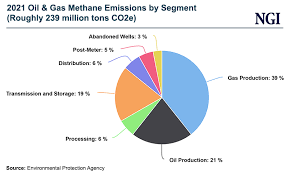
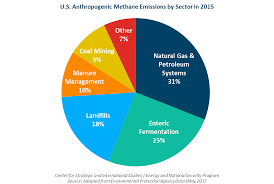
Methane Emissions by Sector