
CNG: Nigeria’s Future in Cleaner Energy
Compressed Natural Gas (CNG) is gaining global attention as a cleaner, cost-efficient alternative to petrol and diesel. Countries such as India, Argentina, and Pakistan have successfully integrated CNG into their transportation sectors, proving its potential to reduce both emissions and fuel expenses. With Nigeria’s abundant natural gas reserves, the country is well-positioned to follow suit. This article examines the benefits of CNG, the progress of Nigeria’s CNG policy, and the potential advantages of import duty incentives for CNG vehicle adoption.
Nigeria’s CNG Transportation Policy
In an effort to address environmental concerns and improve the country’s energy landscape, the Nigerian government has implemented policies aimed at promoting CNG in the transportation sector. Key initiatives include converting public buses, taxis, and commercial fleets to CNG. These efforts are complemented by public-private partnerships focused on establishing CNG refueling stations in major cities.
This policy is part of Nigeria’s broader energy transition strategy, which aims to reduce dependence on fossil fuels, lower emissions, and develop renewable energy resources. Beyond environmental benefits, the initiative also supports local industries related to natural gas production and distribution.
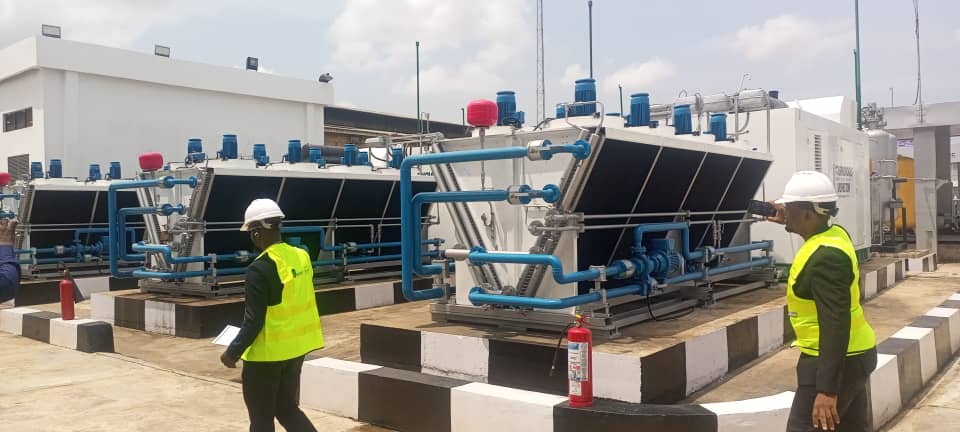
In May 2024, the government unveiled six CNG plants in Lagos State, adding to the existing CNG infrastructure and demonstrating its commitment to cleaner energy solutions.
What is CNG?
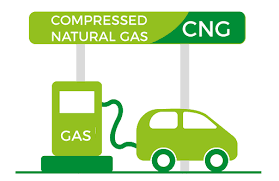 Compressed Natural Gas (CNG) is a form of natural gas that has been compressed to less than 1% of its volume at standard atmospheric pressure. It is primarily composed of methane (CH4) and is stored in high-pressure cylinders. CNG is used as a fuel in various types of vehicles, including cars, buses, trucks, and even motorcycles.
Distribution: CNG can be distributed to refueling stations via high-pressure trailers, pipelines, or virtual pipelines.
Refueling Stations: At refueling stations, the CNG is transferred from storage tanks to vehicle fuel tanks using high-pressure dispensing units
Dispensing Units: These are the actual pumps used to fill CNG vehicles. They are equipped with high-pressure hoses and nozzles compatible with vehicle CNG tanks.
Benefits of CNG
Cost-Effective Fuel: CNG is notably cheaper than petrol and diesel, offering substantial long-term savings on fuel costs. For Nigeria, where fuel price volatility often affects consumers, CNG presents a stable and economical alternative.
Environmental Benefits: CNG combustion produces fewer pollutants, including carbon dioxide, carbon monoxide, and nitrogen oxides, compared to traditional fuels. By shifting to CNG, Nigeria can make a significant contribution to reducing greenhouse gas emissions and aligning with global climate change mitigation efforts.

Abundant Resource: As one of the world’s largest natural gas producers, Nigeria has an abundant supply of CNG. utilising this resource domestically instead of flaring it not only conserves valuable energy but also supports local economic growth and environmental sustainability.
Reduced Dependence on Imported Fuel: Increasing the use of domestically produced CNG could lessen Nigeria’s reliance on imported refined petroleum products, potentially saving millions of dollars in foreign exchange and stabilising the local currency.
Challenges and Developments
The distribution and availability of CNG are dependent on the development of robust infrastructure:
Limited Refueling Infrastructure: One of the major hurdles to CNG adoption in Nigeria is the insufficient number of refueling stations. The current infrastructure is sparse and concentrated in a few major cities, which can make CNG vehicles impractical for long-distance travel and in rural areas where refueling stations are rare. This infrastructure gap poses a significant barrier to widespread CNG adoption, as drivers require accessible refueling options to fully commit to CNG vehicles.
Conversion Costs: The expense of converting existing petrol and diesel vehicles to run on CNG can be high. Although the long-term savings on fuel can justify the conversion costs, the initial investment may be a deterrent for many Nigerian motorists.
Vehicle Compatibility: Not all vehicles are suitable for CNG conversion, and newer models may require advanced modifications. The Nigerian market, which predominantly features imported used cars, may present challenges in finding vehicles that are compatible with CNG technology.
Key Considerations and Safety Measures
Safety Protocols: The compression and storage of natural gas involve high pressures, making safety a top priority. Compression facilities and storage systems are equipped with safety valves, pressure relief devices, and emergency shutdown systems to manage risks. Refueling stations incorporate numerous safety features, including emergency shutoff valves, leak detection systems, and ventilation to prevent the accumulation of gas.
Regulatory Compliance: The compression and use of CNG must comply with stringent regulatory standards and guidelines to ensure the safety of operations and end-users.
Maintenance: Regular maintenance and inspection of compressors, storage tanks, and distribution systems are essential to ensure the reliability and safety of the entire CNG supply chain.
Investment in Infrastructure: Expanding the CNG refueling network requires significant investment in pipelines, storage facilities, and refueling stations.

Government Policies and Incentives: Government support through policies, subsidies, and incentives can accelerate the development of CNG infrastructure. For example, tax breaks for CNG vehicle purchases or investments in CNG stations can boost adoption.
 Import Duty Incentives for CNG Vehicles
To accelerate the adoption of CNG, offering import duty incentives could be a game-changer. Reducing or eliminating import duties on CNG vehicles would make them more affordable for Nigerian consumers, potentially increasing their adoption. Lower import costs would also encourage more importers to bring in CNG vehicles, which are generally more efficient and environmentally friendly than traditional petrol or diesel cars.
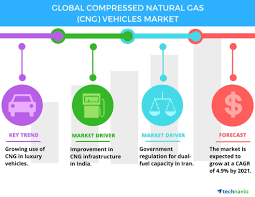
India’s experience with government incentives for CNG vehicles highlights the potential benefits of such policies. Nigeria could benefit from similar measures, which would complement ongoing efforts to expand refueling infrastructure and facilitate a smoother transition to CNG.
Public-Private Partnerships: Collaboration between government bodies and private companies can lead to more efficient infrastructure development. Such partnerships can share the financial and logistical burdens of establishing CNG networks.
Technological Advancements: Innovations in storage and compression technologies can reduce costs and improve the efficiency of CNG distribution.
Solutions for Natural Gas Compression and Refueling
Achieving Safe and Reliable Refueling
The proliferation of natural gas vehicles requires widespread, reliable refueling infrastructure to realize its full business potential. CNG stations must contend with several challenges while achieving the highest levels of safety and reliability to protect end users and their vehicles.
Safe dispenser technology that accommodates significant pressure and temperature ranges is needed to transfer LNG and CNG from storage to on-vehicle tanks
Maximized capacity for refueling stations is critical, with the ability to store large quantities of highly pressurized gases onsite for consumer distribution
Reliable, consistent assembly of complex systems is required to quickly scale the building of refueling infrastructure.
We can help meet these needs with a range of solutions and services—everything from individual components to preassembled systems to onsite engineering assistance.
Compressed Natural Gas (CNG) is one of the most widely accessible means of reducing emissions associated with traditional gasoline- and diesel-powered vehicles. The fuel technology are experiencing widespread utilisation on a global scale as clean energy innovation soars to new heights.
Safe handling of LNG and CNG requires high-quality compression, transfer, and refueling systems from the source to the vehicle as storage pressures can exceed 275 bar (4000 psi)
Any leak can result in significant hazards, so OEMs need local inventory and a supplier that understands their safety requirements
Elastomeric components play an important role in improving LNG and CNG system reliability and must be considered in materials selection
Conclusion
The successful deployment of CNG as a mainstream fuel depends on a well-coordinated supply chain from extraction to end-user refueling. Efficient transportation and robust distribution infrastructure are crucial to making CNG a viable alternative to traditional fuels. With ongoing investments and technological advancements, the CNG sector is poised to grow, offering a cleaner and often more economical fuel option for the automotive industry. For regions like Nigeria, leveraging natural gas resources for CNG can significantly impact energy sustainability and economic development.
In all of these, CNG represents a promising opportunity for Nigeria to address its energy and environmental challenges. By promoting CNG adoption, Nigeria could reduce its dependence on imported fuels, enhance economic stability, and contribute to global climate change efforts. However, for CNG to thrive, the country must overcome challenges such as expanding refueling infrastructure, supporting vehicle conversions, and considering import duty incentives. If these hurdles can be addressed, it could play a pivotal role in shaping Nigeria’s energy future, leading to a cleaner, more sustainable economy.
Ref:
https://www.swagelok.com/en/industries/clean-energy/lng-cng


2 Comments
Indeed, CNG is a beneficial alternative to fossil fuel consumption and Nigeria particularly would do well to encourage a shift from petrol/diesel to the environmentally beneficial alternative.
Pretty! Thiss hhas been a realoly wonderful article. Thank yyou for supplying
this information.