

Rig2Pump delve into the facts behind this historic deal, sieving through various stories to try to separate the truth from flawed narratives.

 Oando’s journey over the past three decades is a story of resilience, ambition, and transformation, marked by groundbreaking achievements and strategic decisions that have placed it at the forefront of Nigeria’s energy landscape. Founded in 1994 by Wale Tinubu, Omamofe Boyo, and Onajite Okoloko, Oando started as a small player in the oil and gas industry.
The company began its operations under the name Ocean and Oil Services Limited, supplying diesel and fuel oil to shipping companies. However, what followed was a series of bold moves that would eventually shape Oando into a dominant force in the sector.
One of Oando’s first major moves was the acquisition of Unipetrol in 2000, followed by the purchase of Agip Nigeria in 2002. These acquisitions positioned Oando as the largest downstream petroleum marketing company in Nigeria. Over time, Oando evolved from being primarily focused on downstream operations into an integrated energy company with interests in upstream, midstream, and clean energy.Today, Oando operates in oil exploration and production, natural gas distribution, power generation, and renewable energy.
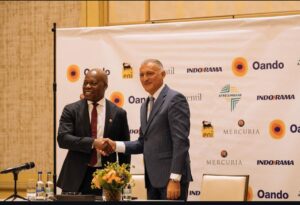
In 2024, Oando celebrates 30 years of service and innovation, marking a significant milestone in its journey. The company is now focused on leading Nigeria’s energy transition by embracing cleaner, more sustainable energy solutions. One of its notable ventures in this regard is the introduction of electric buses in partnership with the Lagos State government, showcasing Oando’s commitment to reducing carbon emissions and promoting green transportation. However, Oando’s most recent and arguably most significant move has been the acquisition of Nigerian Agip Oil Company (NAOC) onshore assets from Eni, an Italian multinational oil and gas company. This acquisition, announced in 2023, significantly expands Oando’s oil and gas production capacity and strengthens its foothold in Nigeria’s energy sector. The acquisition includes four oil blocks and participation in the Okpai power plant, which produces electricity from gas-fired turbines. The deal enhances Oando’s operational capacity, boosting its overall production by 40,000 barrels of oil per day and 12.5% of Nigeria’s gas production.


This acquisition is part of Oando’s broader strategy to ensure Nigeria’s energy security while contributing to the global transition towards cleaner energy. With the world increasingly moving towards reducing dependence on fossil fuels, the inclusion of NAOC’s assets provides Oando with the necessary resources to invest in cleaner energy initiatives while maintaining its leadership in the oil and gas industry. Despite the strategic merits of the acquisition, it has been surrounded by various flawed narratives and misconceptions, with some critics arguing that Oando is over-leveraging itself or taking on too much risk. These criticisms are not new to Oando or its CEO, Wale Tinubu, who has faced challenges in the past, including financial losses and market volatility. However, Tinubu has been clear that the acquisition was fully financed through innovative mechanisms that did not expose the company to unsustainable debt. He emphasized that the deal aligns with Oando’s long-term goals of becoming an integrated energy solutions provider, focused on both traditional and renewable energy sources.
Separating fact from fiction in this case reveals the true value of the NAOC acquisition. Contrary to rumors, Oando has not been “swallowed up” by its acquisition but has instead positioned itself for further growth. The deal gives Oando significant operational control over vital infrastructure and allows the company to diversify its energy offerings in line with Nigeria’s goals of energy sustainability. Additionally, Oando’s increased participation in the Okpai power plant aligns with its clean energy initiatives, as natural gas is a less carbon-intensive alternative to coal or oil.

The flawed narratives surrounding this acquisition detract from the real significance of the deal. For one, it secures Oando’s role as a major player in Nigeria’s energy transition, giving it access to resources that will enable the company to continue exploring sustainable energy projects. Additionally, it positions Oando to capitalize on global energy trends that favor gas as a cleaner alternative to crude oil, as well as renewables like solar and wind. Oando’s history has not been without challenges. In 2014, the company faced significant financial losses due to the collapse of global oil prices, which led to several years of restructuring and strategic reorientation. This period of instability culminated in a leadership crisis, with regulatory scrutiny and shareholder disputes casting doubts on Oando’s future. However, the company emerged from this period more resilient and focused, with a renewed commitment to transparency and corporate governance.
The NAOC acquisition marks the latest chapter in Oando’s story, but it is also emblematic of a broader narrative: that of a Nigerian company navigating both local and global challenges to secure its place in the future of energy. Oando is not just an oil company; it is an energy solutions provider committed to meeting the needs of a dynamic and rapidly changing market. The introduction of electric buses and other clean energy initiatives is just one example of how Oando is preparing for the future.
As Oando celebrates its 30th anniversary, it is clear that the company’s focus is not only on past achievements but also on the future. The energy sector is undergoing a profound transformation, driven by the need for cleaner and more sustainable energy sources. Oando’s strategic moves, including the acquisition of NAOC’s onshore assets, position it to play a leading role in this transformation. By embracing both traditional and renewable energy, Oando is ensuring that it remains a key player in Nigeria’s energy sector while also contributing to the global push for sustainability.
In conclusion, Oando’s story is one of innovation, resilience, and forward-thinking. From its humble beginnings as a fuel supplier to shipping companies, Oando has grown into one of Nigeria’s leading energy companies, with a diversified portfolio that includes oil exploration, natural gas distribution, power generation, and renewable energy. The acquisition of NAOC’s assets represents a bold step forward for the company, reaffirming its commitment to Nigeria’s energy security and the global transition towards cleaner energy. While flawed narratives and misconceptions have attempted to overshadow the significance of all of these successes, the facts speak for themselves: Oando is well-positioned to lead the charge into a sustainable energy future.
Join our growing community on YouTube and social media for more energy sector analysis and updates.
https://youtube.com/@rigtopump7261?si=Lc1vvmIoQDso3uKC

2 Comments
Oando’s remarkable transformation from humble beginnings to a leading energy company is truly inspiring! Their strategic diversification, commitment to cleaner energy, and acquisition of NAOC’s assets demonstrate a forward-thinking approach, setting a shining example for the industry. By prioritizing Nigeria’s energy security and aligning with global sustainable energy trends, Oando positions itself for long-term success and cement its legacy as a pioneer in Nigeria’s energy landscape.
Very well written and insight into OandO’s operations and it steady growth into the major force it is.
What an old you say to those who argue that the acquisition of NAOC shouldn’t have passed the necessary regulatory standards and checks?