
Dangote Refinery, Independent Importers, and Nigeria’s Energy Security: Why Balance Matters
By: Femi Odulaja
Host, Rig2Pump
www.rigtopump.com
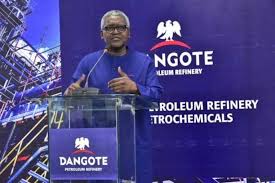
The ongoing debate between Dangote Refinery and independent petroleum product importers has dominated Nigeria’s energy discourse in recent weeks. Much of the conversation has been emotional, polarised, and driven by competing narratives. However, energy systems are not built on sentiment. They are built on planning, redundancy, regulation, and risk management.
This discussion must therefore move beyond personalities and commercial interests to focus on what truly matters: energy security, market resilience, and national interest.
What the Debate Is Really About
At its core, the issue revolves around four critical pillars:
- Quality: Ensuring all petroleum products local or imported meet the same specifications.
- Quantity: Maintaining sufficient volumes to meet national demand.
- Availability: Guaranteeing uninterrupted supply under all operating scenarios.
- Energy Security: Protecting the economy from shocks, disruptions, and systemic failures.
Any policy decision that weakens one of these pillars creates long-term vulnerability.
Regulation and the Role of the Petroleum Industry Act (PIA)
Nigeria already has a framework designed to manage this balance: the Petroleum Industry Act (PIA) 2021. The spirit of the PIA is clear
separation of roles, regulatory parity, competition, and transparency.
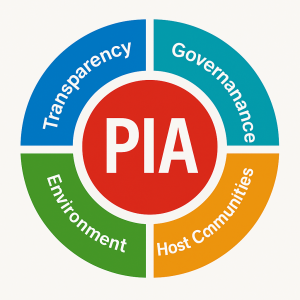
Whether a product is refined locally or imported,
- The same regulatory standards must apply
- The same testing protocols
- The same compliance thresholds
- The same consequences for infractions
Selective enforcement or preferential treatment undermines both market confidence and investor trust.
The “What If” Question: Risk Management RealityIn engineering, operations, and energy planning, professionals are trained to ask one question relentlessly: “What if?”
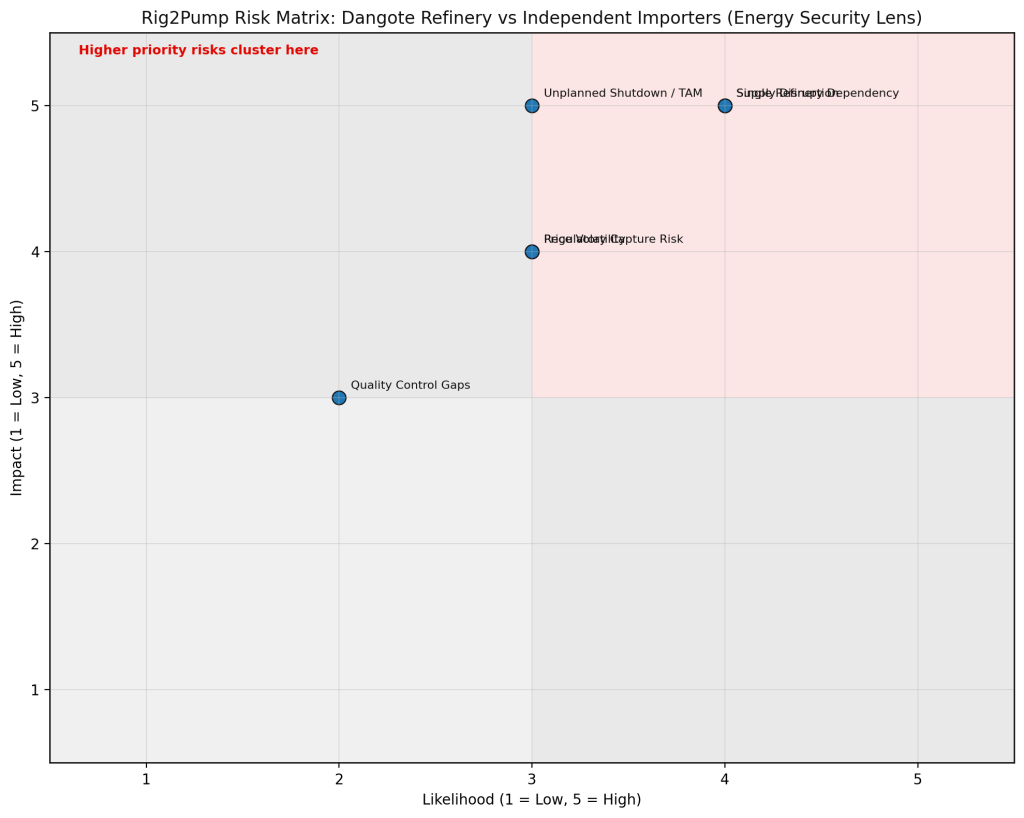
What if a major refinery experiences an unplanned shutdown?
What if it enters Turnaround Maintenance (TAM)?
What if logistics, power supply, or feedstock disruptions occur?
Globally, large refineries undergo planned Turnaround Maintenance every 3–5 years, often lasting 30–90 days. Unplanned outages are also common, particularly in early operational years.
Without adequate redundancy and stock buffers, a single failure can cascade into a national crisis.
Global Benchmarks and Nigeria’s Exposure
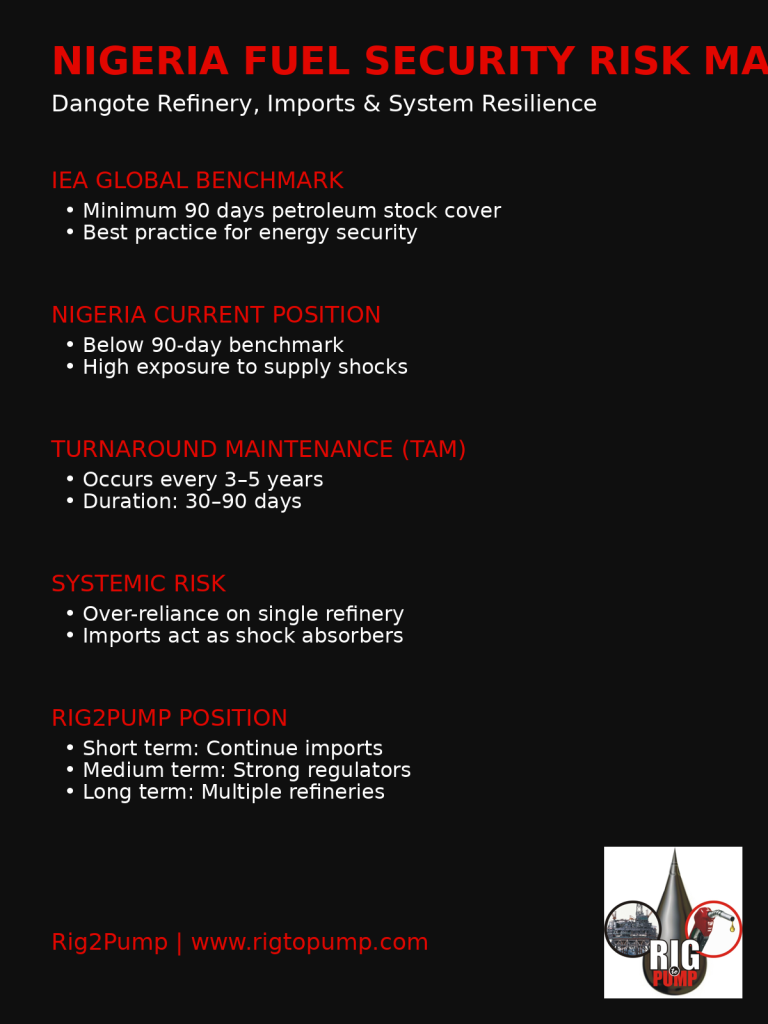
The International Energy Agency (IEA) recommends that countries maintain a minimum of 90 days of petroleum stock cover as a safeguard against supply disruptions.
Nigeria is currently below this benchmark, increasing exposure to shocks. Until this gap is closed, eliminating imports entirely would be imprudent.
Imports, in this context, are not a weakness they are shock absorbers.
A Pragmatic Way Forward
A balanced, phased approach offers the most sustainable path:
Short Term
• Continue regulated petroleum product importation to maintain stability.
Medium Term
• Strengthen regulatory agencies and enforcement mechanisms.
• Ensure full compliance with PIA provisions.
Long Term
• Enable multiple refineries to come on stream as scheduled.
• Pragmatically privatise state-owned refineries to unlock operational value.
• Build strategic petroleum reserves aligned with global benchmarks.
Competition, when properly regulated, is not a threat it is a safeguard.
Conclusion
Nigeria must resist the temptation to oversimplify a complex energy challenge. Relying on a single refinery regardless of its size or ambition without adequate buffers and alternatives introduces systemic risk.
Energy security must always take precedence over sentiment. Balance, not extremism, is the sustainable path forward.
2 Comments
The write up is so nice well done sir👍🏽
We world awaits you sir..
Pray this takes Nigeria to a greater height