
THE GULF IS BURNING
A Rig2Pump Strategic Energy Analysis
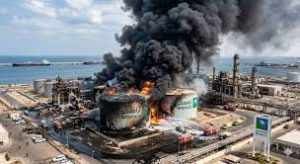
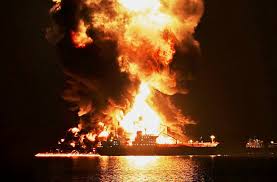
The Middle East has long been one of the most geopolitically volatile regions in the world. Decades of political rivalries, ideological divisions, territorial disputes, and proxy conflicts have repeatedly ignited crises capable of shaking the global order. From the Iran–Iraq War in the 1980s to the Gulf War of 1991 and the invasion of Iraq in 2003, the region has witnessed repeated episodes of instability.
However, the latest escalation—beginning on 28 February 2026, when the United States and Israel launched coordinated strikes on Iran—represents a turning point. The conflict rapidly expanded beyond a bilateral confrontation, threatening to engulf the entire Persian Gulf region, the most critical energy corridor on Earth.
What began as targeted military operations quickly transformed into a theatre of missile exchanges, drone warfare, and retaliatory strikes, dragging neighbouring Gulf states into the crisis and disrupting the global energy system.
For the world’s energy markets and economic stability, this moment can be summarized in one stark phrase:
THE GULF IS BURNING
The Gulf: The World’s Energy Heartland
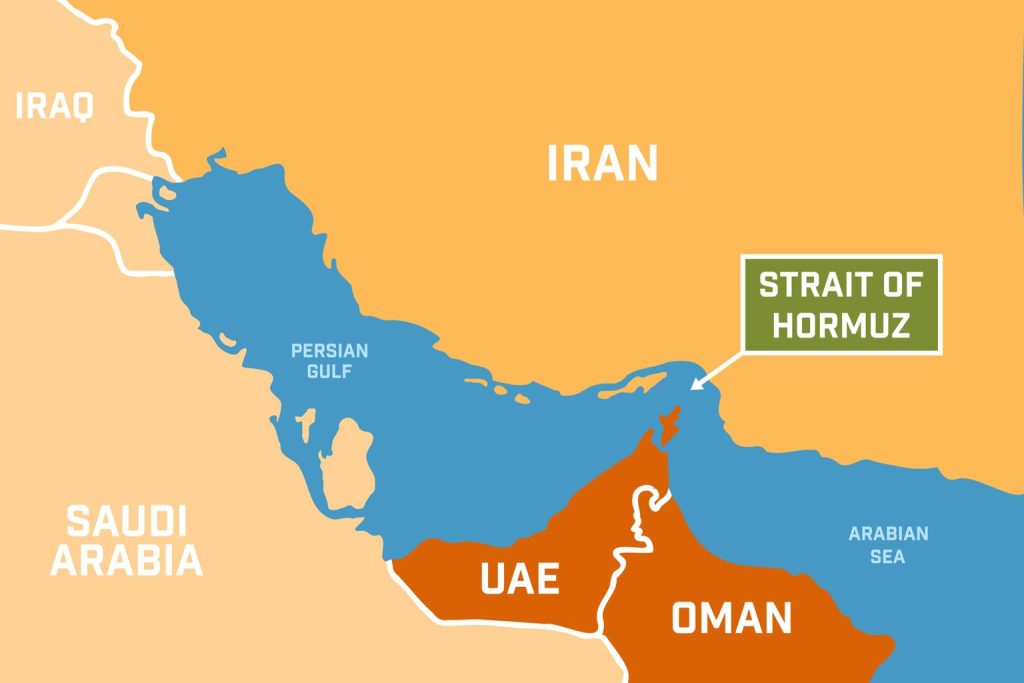
The Persian Gulf (also called the Arabian Gulf) is one of the most strategically important waterways on the planet. Located in West Asia, it forms a maritime extension of the Indian Ocean, lying between Iran to the north and the Arabian Peninsula to the south.
The Gulf is not merely a geographical feature; it is the central artery of the global hydrocarbon economy.
Key strategic facts:
- The Gulf region contains about half of the world’s proven crude oil reserves
- It holds a significant share of global natural gas reserves
- Several of the world’s largest oil exporters operate within this region
- Major shipping lanes connect the Gulf to Asia, Europe, and the Americas
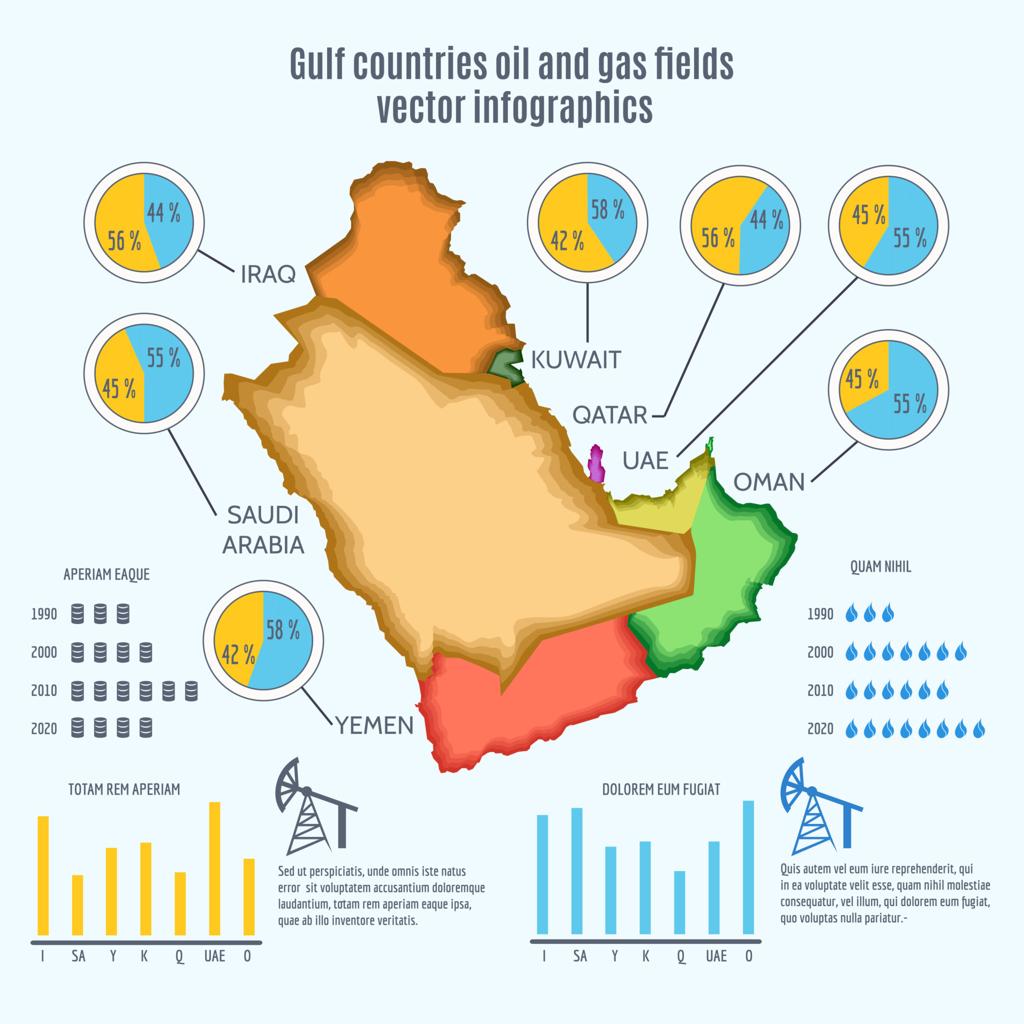
Energy infrastructure in the region includes:.
- mega oil fields
- LNG export terminals
- refining hubs
- petrochemical complexes
- desalination and power infrastructure
Because of this concentration of energy infrastructure, any military conflict in the Gulf immediately becomes a global economic crisis.
The Gulf States
The term “Gulf States” generally refers to the six Arab countries that form the Gulf Cooperation Council (GCC), which are Saudi Arabia, Kuwait, Qatar, the United Arab Emirates, Bahrain, and Oman
These countries share several characteristics:
- Monarchical political systems
- Integrated economic and security relationships
- Deep reliance on hydrocarbon exports
- Strategic partnerships with Western military alliances
Although Iran and Iraq also border the Persian Gulf, they are not part of the GCC bloc and often represent opposing geopolitical interests within the region.
February 28, 2026: When the Conflict Escalated
On 28 February 2026, the geopolitical balance in the Middle East shifted dramatically.
The United States and Israel launched military strikes on Iranian strategic assets, triggering an immediate retaliation from Iran. Tehran responded with missile and drone attacks targeting Israel, marking the beginning of a rapidly escalating conflict. But the crisis did not remain confined to those three actors.
Iran accused several Gulf countries of allowing U.S. military operations from their territory, and soon after, missiles and drones began striking infrastructure across the Gulf region.
What followed was an unprecedented wave of attacks across some of the most critical energy facilities on Earth.
Energy Infrastructure Under Fire
The conflict quickly spread into energy infrastructure warfare, targeting refineries, oil fields, LNG facilities, ports, and fuel storage hubs.
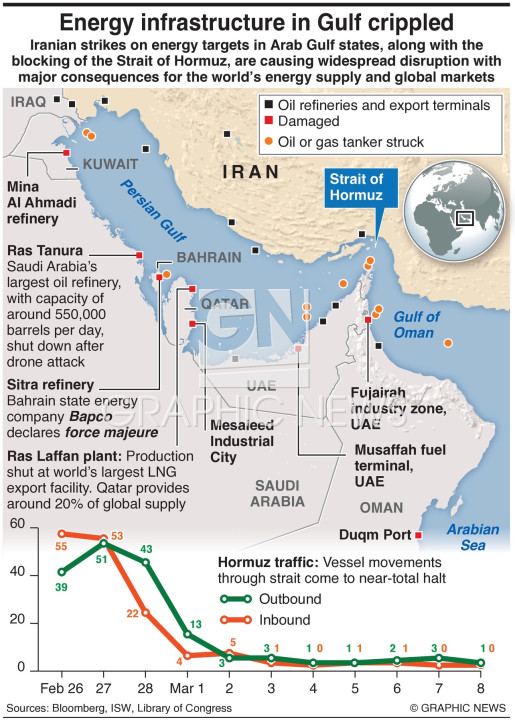
Saudi Arabia
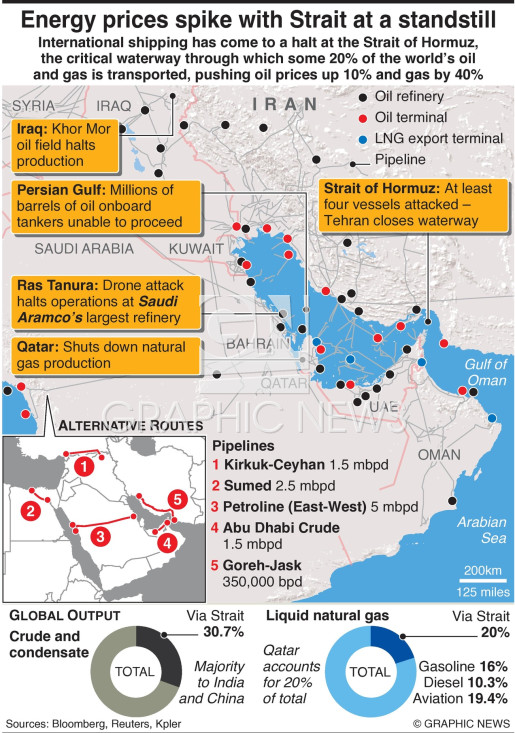
- Ras Tanura Refinery: The kingdom’s largest refinery suffered a major fire after a drone strike. Ras Tanura is one of the largest oil processing and export hubs in the world.
- Shaybah Oil Field: Multiple drones targeted the remote but strategically important Shaybah field. Defensive systems intercepted several incoming threats, but operations were placed on precautionary alert.
Qatar
- Ras Laffan LNG Hub: One of the largest LNG export terminals globally was reportedly struck. Ras Laffan is critical to supplying natural gas to Europe and Asia.
United Arab Emirates
- Fujairah Oil Storage Facility: Debris from intercepted drones ignited fires at storage tanks, sending smoke plumes across the port.
- Fujairah F1 Power and Water Complex: Damage was reported after nearby port attacks disrupted infrastructure.
Bahrain
- Bapco Oil Refinery (Sitra Island): A major refinery fire forced Bahrain’s national oil company to declare force majeure on shipments.
- Fuel Storage Depots: Drone strikes reportedly hit fuel tanks in the Muharraq Governorate.
Oman
- Port of Duqm Energy Hub: Drone strikes caused explosions at fuel storage tanks and damaged a tanker docked at the port.
Water and Power Infrastructure Targeted
The conflict did not stop at oil and gas, for the first time in a Gulf conflict, water infrastructure was also targeted, highlighting the vulnerability of the region’s desalination-dependent societies.
Several transmission lines went offline after intercepted drones fell on grid infrastructure.
Economic Shockwaves Beyond Energy
The attacks did not only disrupt oil and gas operations. They also affected: Transport and Logistics, Digital Infrastructure, and Commercial Activities. But the most critical global concern lies in the Strait of Hormuz.
The Strait of Hormuz: The World’s Most Critical Energy Chokepoint
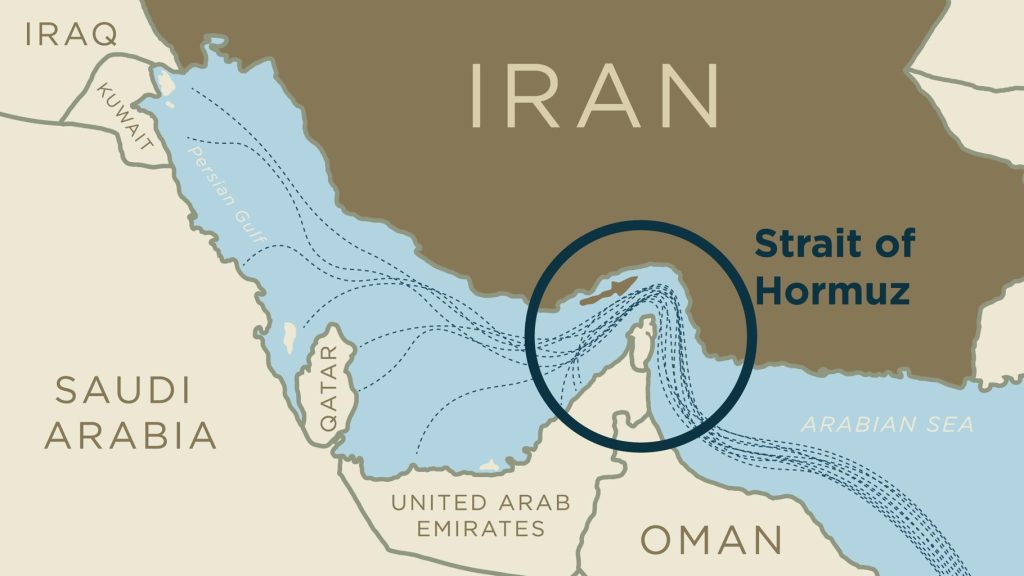
The Strait of Hormuz is arguably the most important maritime energy corridor in the world.
 Key facts:
More than 20% of the global crude oil supply passes through the strait.
Over 20 million barrels of oil per day transit the narrow waterway.
It connects the Persian Gulf to the Gulf of Oman and the Arabian Sea, enabling oil exports to global markets.
Major exporters relying on the strait include, and any disruption to this passage instantly affects global energy markets, shipping insurance, and commodity prices.
With missiles flying across the region, shipping companies began rerouting vessels, while insurers dramatically increased war-risk premiums.
The Crude Oil Price Impact and the Global Economic Effect
The most immediate global response to the escalation in the Gulf was a sharp reaction in crude oil markets.
Energy traders, hedge funds, and national strategic planners immediately priced in the risk of supply disruptions.
Several market dynamics emerged simultaneously: Supply Risk Premium. Oil prices began rising rapidly as traders anticipated potential refinery shutdowns, export disruptions, tanker route closures, and damage to production infrastructure
Even rumours of a Strait of Hormuz closure are historically enough to trigger massive price spikes.
Strategic Stockpiling
Major importing countries, including China, India, Japan, South Korea, and European nations, began evaluating their strategic petroleum reserves (SPR) to cushion supply shocks.
LNG Market Turbulence
With Qatar’s LNG infrastructure threatened, global gas markets, already sensitive due to Europe’s energy transition, faced further instability.
Asian and European LNG prices surged as buyers competed for alternative supply.
Insurance and Shipping Costs
War-risk insurance for tankers moving through the Gulf surged dramatically, adding additional costs to global energy supply chains.
Inflationary Pressures
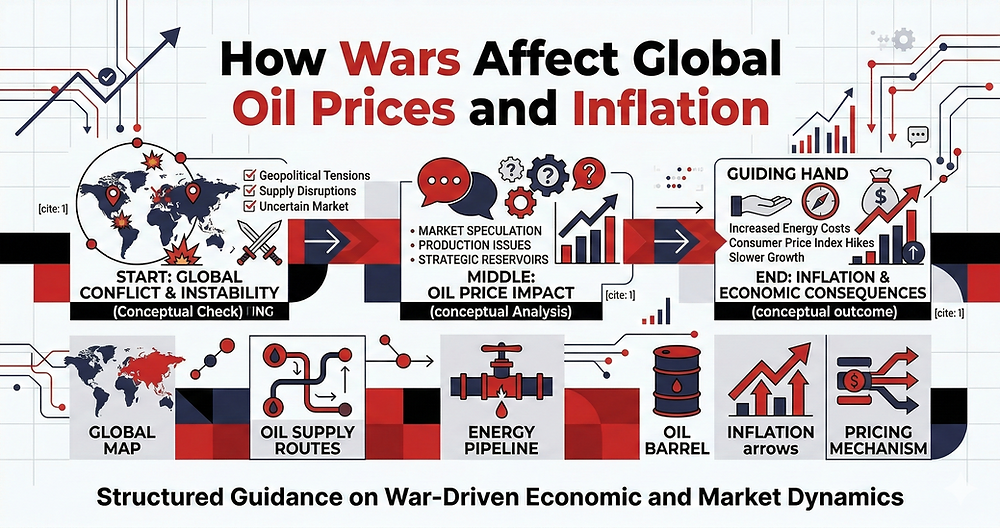
Rising oil prices feed directly into transportation costs, electricity generation, industrial production, and food prices. Thus, even regions far from the conflict begin to feel the effects.
When Energy Wars Become Global Economic Wars
For ordinary citizens around the world, the consequences of conflict in the Gulf appear in subtle but powerful ways:
- Higher fuel prices at the pump.
- Increased electricity costs
- Rising food prices due to transport costs
- Inflation across multiple sectors
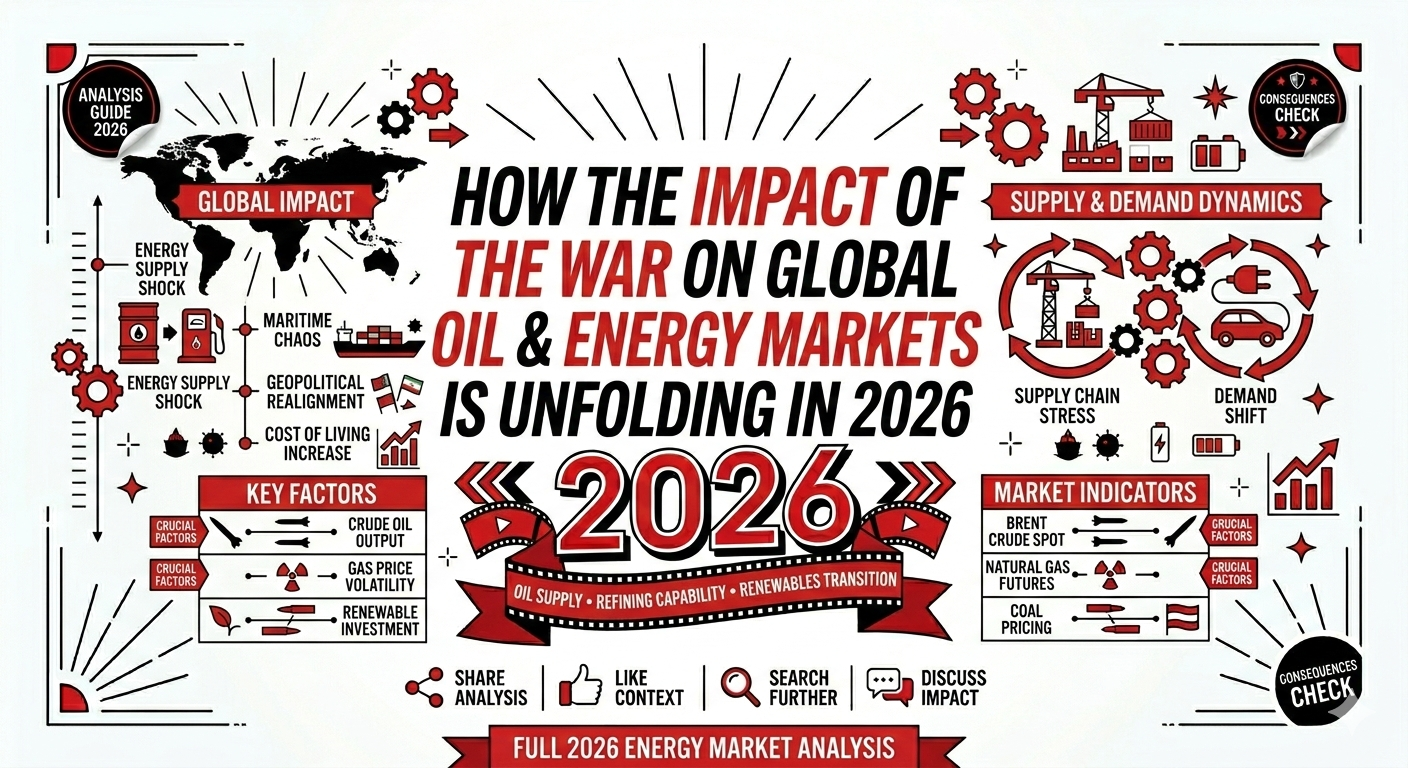
In short, energy shocks quickly become economic shocks.
When the Gulf burns, the world pays the price.
Rig2Pump Strategic Takeaway
The events unfolding in the Gulf represent more than a military confrontation.
They represent a battle around the world’s energy heartland.
Energy markets thrive on stability. 
War in the Gulf creates the opposite:
- volatility
- fear
- economic uncertainty
And as history has repeatedly shown:
When the Gulf burns, the global economy feels the heat.
Conclusion
The escalation between the United States, Israel, and Iran has transformed a regional geopolitical dispute into a global energy crisis risk.
With the Persian Gulf sitting at the centre of the world’s oil and gas supply, any sustained conflict threatens not just regional stability but the entire global economic system.
Energy infrastructure attacks, shipping disruptions, and geopolitical mistrust are now redefining the risk landscape for global energy markets.
For the energy industry, policymakers, and consumers alike, the message is clear:
When the Gulf burns, the world trembles.
30 Comments
Good read
Undiluted analysis. We pary 🙏 for peace in the middle east, and in the world at large.
Great analysis. Very informative and educating. Cheers
The imperialist hold on gulf resources for decades is probably coming to end. Iran has taken the bold step away from the corrupt Saudi regime. The West has continually fuel the gulf instability using Israel with human cost.
Lovely write up 💕
Very analytical, and to root. More of global oil economics.
Nice one Sir Bobby’s!
The world 🌎 needs peace
Our peaceful coexistence remains paramount
This is high quality data and analysis
Indepth analysis in simple communication. Thank you
Impressive strategy
God will help us all🙏
The issue for me is that how can Nigeria take advantage of this instead of wallowing in the missteps.
1.What is Nigeria’s policy on Strategic reserves?
2.What quantity of Stratgic reserve do we have as a country?
2a.All those Oil importers fighting Dangote and wanting to keep importing fuel, is this not the time to lease out and convert their tank farms into Storage tanks for the country?
3.Its so clear now that its dangerous to rely on one source of energy to fulfill our domestic needs. What is Nigeria doing to upscale use of alternative sources of enery …. solar, wind.
4.What is Nigeria’s direction in the development of EVs, as these events have demonstrated that we can’t rely on just fossil fuel technology.
5.
I believe at the end of it all
It’s gonna be good 😌 and everything will fall in the right places 🙏🙏🙏voices will be heard
The world need peace 👌
The world need peace ✌️
Very insightful. Thank you.
Indeed!
We need clarity and peace for us to be united and make live easy.
May God help us
The recent war in the Middle East region has certainly had a Global impact and one can only hope that a peaceful resolution will be achieved ASAP so as to prevent a global financial recession if the conflict is prolonged.
Nice one 👍👍
Insightful
This is a good and effective write up. Facts clearly stated.
War, didn’t brings good news at the end round table will end it
Great Analysis 👍
God will continue to take absolute control of every situation we are all facing now. Thank you.
Dangote is trying is best to make things right God will strengthen his effort and grant him grant him a successful heart desire to make our country grows for good 👍
This is my first time of coming here. This is highly educative and am of the utmost belief that what I read here should be public knowledge
Nice one,may God help us
Good idear but we pray our country should do there best so that we can be happy as well in Nigeria once again
It’s great work sir, very helpful.
Keep up the good work sir