

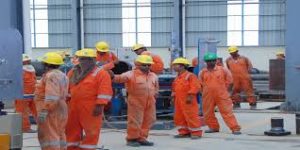
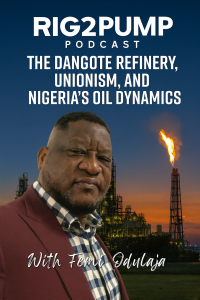
The recent sacking of workers at Dangote Refinery following their attempt to unionise has sparked renewed debate about labour rights, industrial practices, and policy alignment in Nigeria’s oil and gas sector.
This development drew a strong response from the Petroleum and Natural Gas Senior Staff Association of Nigeria (PENGASSAN), which condemned the actions of the Dangote Refinery management and insisted on the reversal of the decision. According to PENGASSAN, all employers in Nigeria must respect the constitutional right of workers to freely associate, including joining or forming trade unions. The union also reminded stakeholders that once an organisation has more than 50 employees, workers are legally entitled to unionise.
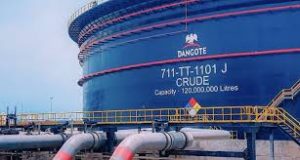
This event brings to the fore a recurring concern about Dangote Group’s long-standing aversion to unionisation across its subsidiaries. While the Dangote Refinery project is a significant milestone in Nigeria’s quest for energy security, it must not undermine the rights of workers or broader industrial harmony.
 At the same time, the naira-for-crude oil policy championed by the Nigerian government and intended to support local refining has run into commercial, logistical, and structural bottlenecks. One key challenge has been the unrealistic assumption that the Nigerian National Petroleum Company Limited (NNPCL) can abruptly redirect crude volumes from long-standing international contracts into the local market without violating binding agreements or destabilising established supply chains.
Crude oil sales, by nature, are executed months in advance to accommodate logistics such as shipping, chartering, and insurance. The complexity of reallocating these barrels to local refiners like Dangote Refinery requires better planning, robust supply chain mechanisms, and stakeholder coordination.
It is also becoming clear that relying solely on one refinery for domestic supply creates systemic risks. A single disruption – whether technical or managerial – could ripple through the entire downstream sector. It is essential that Nigeria avoids a situation where ‘if Dangote Refinery coughs, the whole nation catches a cold.’
Beyond labour and crude supply concerns, there is a broader governance issue: balancing private sector interests with national priorities. Dangote Group has been instrumental in advancing Nigeria’s refining capacity, but its influence should not translate into monopolistic dominance or regulatory exceptions.
A Well-Suited Suggestion for Stakeholders:
- Dangote Refinery Management: Respect labour rights, engage constructively with unions, and prioritise operational transparency. Sustainability goes beyond profit – it includes people and partnerships.
- Federal Government of Nigeria: Reassess the naira-for-crude model, ensuring it aligns with legal contracts, international best practices, and the need for multiple functioning refineries.
- NNPCL: Develop a phased, predictable domestic crude allocation framework, allowing refiners to plan, while maintaining obligations to international buyers.
- Labour Unions (PENGASSAN, NUPENG): Continue to advocate for fair labour practices while maintaining dialogue with emerging private sector giants.
- The Public & Media (e.g., Rig2Pump): Keep the conversation alive – highlighting both progress and pitfalls in Nigeria’s evolving energy space.
Nigeria’s energy transition journey requires inclusion, respect for institutions, and policy coherence. The current friction points – labour rights, domestic crude supply, and refining capacity – should not be seen in isolation but tackled collectively for a resilient and people-focused sector.
No comment