
A New Era for Crude Oil Reserves: Nigeria’s Expanding Maritime Territory
By: Femi Odulaja (MAVERICK – Femostika)
Nigeria’s successful application to the UN, following years of rigorous geological and geophysical studies, has resulted in an extension of its maritime territory. This expanded jurisdiction not only reaffirms Nigeria’s sovereign rights over the new area but also significantly enhances its potential to discover untapped hydrocarbon resources beneath the ocean floor.
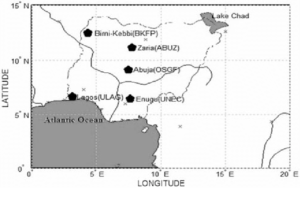
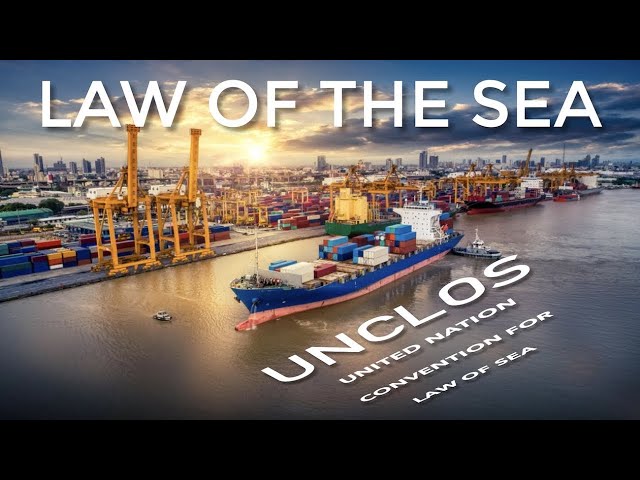
Nigeria’s journey as a major player in the global oil industry is taking a remarkable turn, thanks to a recent United Nations (UN) decision that could significantly boost the nation’s crude oil reserves. The UN, under the United Nations Convention on the Law of the Sea (UNCLOS) 1982, has granted Nigeria sovereignty over an expanded maritime territory. This approval extends Nigeria’s jurisdiction beyond the existing 200 nautical miles, opening up vast new opportunities in the exploration and exploitation of underwater resources, including crude oil.
UNCLOS – United Nations Convention on the Law of the Sea
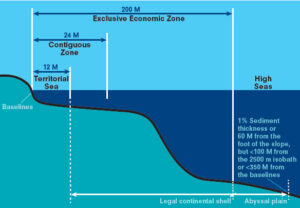
The UNCLOS is a comprehensive framework that governs the rights and responsibilities of nations concerning the use of the world’s oceans. It provides a legal basis for establishing maritime boundaries
and defines the extent of a nation’s exclusive economic zone (EEZ), which traditionally extends 200 nautical miles from its coastline. Within this zone, a country has the right to explore, exploit, conserve, and manage natural resources, both living and non-living, in the waters, seabed, and subsoil.
Boosting Nigeria’s Crude Oil Reserves
Nigeria has long been one of Africa’s leading oil producers, with its economy heavily reliant on crude oil exports. The country’s proven oil reserves, currently estimated at around 37 billion barrels, have positioned it as a key player in the global energy market. However, the prospect of further expanding these reserves has always been a strategic goal for the Nigerian government, particularly in the face of fluctuating oil prices and the growing need for economic diversification.
The newly acquired maritime territory presents a golden opportunity for Nigeria to explore vast, previously inaccessible areas of the seabed, which are believed to be rich in hydrocarbons. Early assessments suggest that the extended area could hold significant quantities of crude oil, potentially adding billions of barrels to Nigeria’s proven reserves. This would not only bolster the nation’s oil production capacity but also enhance its standing in the global oil market.
Economic and Geopolitical Implications
The potential increase in crude oil reserves from the expanded maritime territory could have far-reaching economic implications for Nigeria. An increase in reserves would attract more foreign investment into the country’s oil and gas sector, leading to job creation, technology transfer, and infrastructure development. Moreover, higher oil production could significantly boost government revenues, providing funds for critical sectors such as education, healthcare, and infrastructure.
Geopolitically, Nigeria’s enhanced maritime jurisdiction strengthens its influence in the Gulf of Guinea, a region already known for its strategic importance in global energy supply. With greater control over a larger portion of the sea, Nigeria can better secure its maritime borders, combat piracy, and ensure the safe passage of oil tankers and other vessels through its waters.
Challenges and the Path Forward
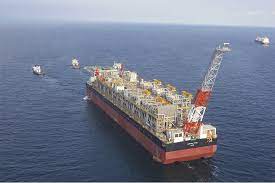
While the expansion of Nigeria’s maritime territory under UNCLOS presents significant opportunities, it also brings a set of challenges. However, Nigeria is no stranger to deepwater oil exploration, having successfully executed complex deepwater projects like the Agbami field, one of the country’s largest deepwater developments. These experiences underscore Nigeria’s capacity to overcome the technical and financial hurdles that deepwater drilling presents.
Deepwater exploration is inherently complex and costly, demanding advanced technology, specialized expertise, and substantial investment. Leveraging its existing experience with projects like Agbami, Nigeria is well-positioned to navigate these challenges. The Nigerian government will still need to collaborate closely with international oil companies, technical experts, and financial institutions to fully harness the potential of this new maritime frontier.
Additionally, environmental considerations remain crucial. While Nigeria has a history of managing deepwater production, the expansion into new areas necessitates a renewed commitment to environmental stewardship.
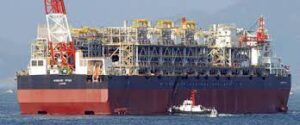 The risks to marine ecosystems from deepwater drilling must be carefully managed. This will require Nigeria to enforce strict environmental regulations and adopt global best practices to minimize the ecological impact of its exploration and production activities. By building on its established track record in deepwater operations, Nigeria can successfully address these challenges while unlocking the vast potential of its expanded maritime territory.
Conclusion
The UN’s approval of Nigeria’s expanded maritime territory marks a new chapter in the country’s oil and gas industry. With the potential to significantly boost crude oil reserves, this development could have transformative effects on Nigeria’s economy, elevating its position on the global stage. As the country embarks on this new journey, strategic planning, investment, and sustainable practices will be key to unlocking the full benefits of this unprecedented opportunity.
No comment