

Rig2Pump in-depth report on the recent Israel–Iran escalation, covering its historical roots, causes, human cost, and ramifications for the oil & gas sector and regional air and maritime operations.
Decades of Discord:
Tensions trace back to the 1979 Iranian Revolution and Iran’s anti Israel stance, especially its support for Palestinian groups. Iran’s nuclear ambitions have prompted repeated Israeli covert operations—cyberattacks, assassinations (e.g., nuclear scientists), and cyber-sabotage. Iran has responded via proxy militancy (Hezbollah, Houthis) and limited missile/drone strikes. While full-scale war had been avoided until recently, simmering distrust has long shaped a volatile strategic balance.
What Sparked the Current Crisis
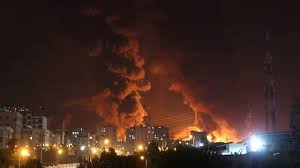
• June 12–13: Israel launched a large-scale airstrike targeting over 100 sites in Iran, including nuclear, missile, and energy infrastructure (South Pars gas field, Fajr Jam gas refinery, Shahran oil depot, and Shahr Rey oil refinery). Numerous IRGC commanders and civilians—perhaps 78 to over 220—were killed. Massive explosions rocked Tehran, impacting residential zones and vital utility installations.
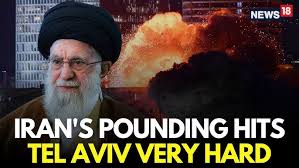
• June 14 onward: Iran retaliated with hundreds of ballistic missiles (est. 200–270) targeting Israeli cities including Tel Aviv, Haifa, Bat Yam, Rishon LeZion, Rehovot, Bnei Brak, and Tamra. Casualties include 14–9 Israeli civilians dead and hundreds injured. Damage reached civilian homes, academic institutions, power plants, oil facilities. Debris also struck the U.S. Embassy.
• Escalation: This marks the most intense direct exchange in history, with no ceasefire agreed; Iran refuses talks under attack.
Human & Infrastructure Impact
• Iranian casualties: Estimates range from 78 to over 406 killed, including top IRGC commanders and civilians (women/children). Thousands injured.
• Israeli casualties: At least 14 civilians killed and 390+ injured, with significant structural damage: residential high-rises, Weizmann Institute, Haifa refinery & power plant, civilian homes and infrastructure.
• Energy sites:
o Iran: South Pars gas field halted ~12 m m³/day of gas; major fires in gas refinery and oil depots; nationwide fuel shortages; panic-buying queues described as worst since 1979.
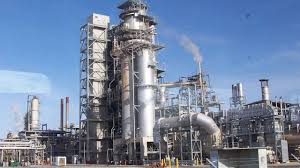
o Israel: Haifa refinery struck with fires; Bazan refinery damaged; oil pipelines impacted.
Oil & Gas Market Fallout
• Price reaction: Brent surged 7% (to ~$74–75/bbl.) with intraday spikes of ~13%, later peaking near 11% gain—highest monthly move since January. WTI mirrored this. Gold surged; equities fell especially among airlines.
• Supply concerns: Markets fear broader disruption, especially via Strait of Hormuz; Iran’s ~3.3 mbpd output threatened. However, OPEC+ (including Russia) maintains supply buffer. Analysts caution moderate impacts—yet higher tanker insurance costs, refinery margins in Asia, commodity inflation.
• Domestic impact: In Iran, refinery damage and fuel hoarding affected domestic availability. Panic buying led to long queues and shortages.
Air & Sea Disruption
• Airspace shutdowns: Israel closed Ben Gurion Airport; neighbouring Jordan, Iraq stopped flights temporarily. Iran grounded flights from Imam Khomeini international. Jordan reopened after risk reassessments. Airlines rerouted or cancelled flights.
• Maritime zone concerns: Mediterranean shipping unaffected so far, but regional naval forces are on alert. Iran’s threats against vessels in Gulf and Red Sea raise insurance risk. Mediterranean ports like Haifa continue operations but face higher security.
Current Status & Outlook
• Military: Hostilities ongoing; no truce. Israel maintains offensive; Iran vows continued strikes, potentially targeting allied assets.
• Diplomatic: G7 and EU leaders urge de escalation; mediators blocked by Iran’s war posture. U.S. discourages further escalation, with veto of Israeli plan to assassinate Iran’s supreme leader.
• Economic: Oil markets remain jittery. If strikes spread to Gulf shipping lanes, disruptions could deepen, raising tanker premiums and fuelling inflation globally. Domestic Iranian shortages may persist for weeks.
• Energy industry: Israel and third-party firms in region may defer investment; insurance premiums for tankers, offshore rigs likely climb. Regional oil hubs tighten security postures.
Summary for Rig2Pump
Sector Impact Summary
Health & Safety Hundreds of civilian casualties on both sides; injuries severe.
Energy Infrastructure Major strikes low Iran gas/oil production; Israeli refinery damage.
Oil Prices Brent/WTI +7–11%; flow risk to Hormuz raises longer-term uncertainty.
Air Travel Regional airspace closures; rerouting, cancellations; high-security environment.
Maritime Trade Mediterranean route stable; Gulf/Red Sea under watch; insurance rises.
Final Word
The Israel–Iran exchange marks a historic escalation, inflicting heavy human and infrastructural costs with direct hits on major energy sites. While immediate oil market supply remains buffered, risks are elevated—especially if Gulf shipping lanes are threatened. Air travel disruption has already reverberated across the region. As global leaders urge restraint, the trajectory remains uncertain, and Rig2Pump will be tracking the ripple effects across energy markets and transport sectors closely.
Ref:
http://cbsnews.com+6theguardian.com+6reuters.com+6


No comment